
Financial highlights
Last trade 46.81€
Variation +2.21%
09/10/2026 - 05:37 PM
data source: Investis Digital
Financial highlights
Last trade 46.81€
Variation +2.21%
09/10/2026 - 05:37 PM
data source: Investis Digital
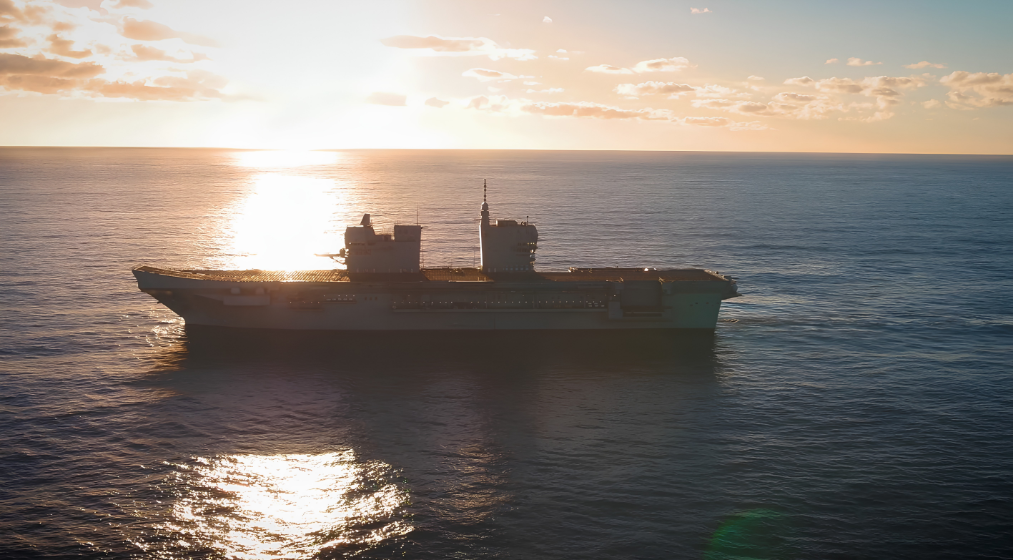
In the current international context, multi-role ships are becoming increasingly strategic platforms due to their ability to operate in different domains, integrating surveillance, defence, and operational command capabilities. Leonardo is contributing to their effectiveness with integrated systems for the management, control and protection of naval platforms.
From ballistic and hypersonic missiles to drones, unmanned systems, electronic warfare, and underwater threats: in the modern geopolitical landscape, military navies are called upon to deal with complex operational scenarios involving conventional and asymmetric threats, reduced response times, and the need to operate simultaneously in the air, naval and underwater domains.
The protection of trade routes and critical infrastructure, together with competition between powers and the evolution of hybrid threats, are thus putting maritime dominance back at the centre of the global balance. In this context, naval operations require platforms capable of integrating surveillance, defence, command and coordination, operating in synergy with embarked air assets and uncrewed systems within a single ecosystem to ensure comprehensive, shared situational awareness.
A common operational tactical picture, generated by the combat system, which enables the commander to perceive the state of the tactical environment in all its dimensions, to understand it in the context of the mission and to project its evolution, thus anticipating the threat and optimising the use of weapon systems.
The ability to gather information, process it quickly, and coordinate the operational response is crucial. The multi-role ship thus assumes a strategic role since it is a platform designed to concentrate different functions, share information in real time and support increasingly interconnected, multi-domain missions.
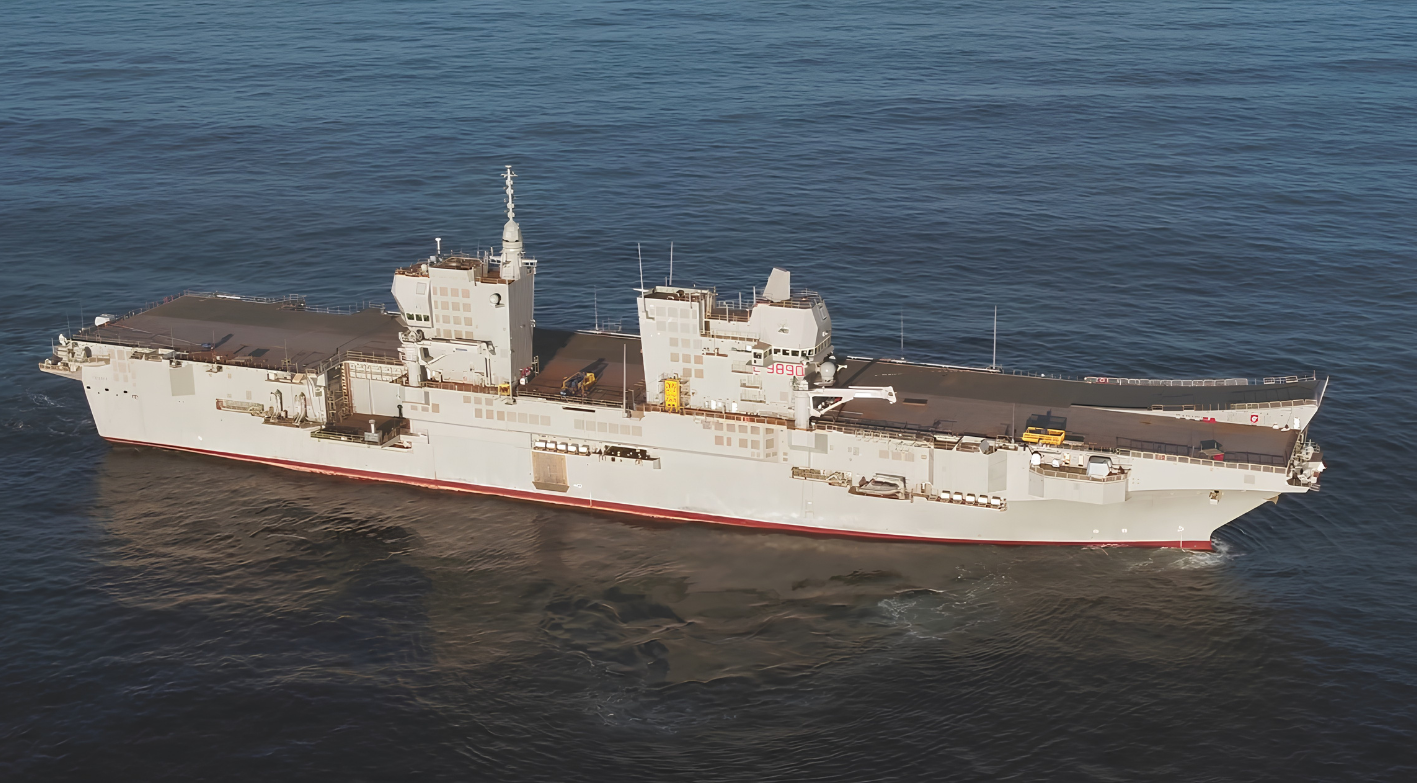
The capabilities of the multi-role ship
A multi-role ship is a naval platform designed to carry out different missions in highly complex scenarios. It is not simply a ship equipped with multiple systems, but an integrated ecosystem in which sensors, control systems, surveillance tools and defence capabilities work in coordination to support the operations of the ship and the fleet.
Modern multi-role ships can be used for:
To these can be added command and control activities (coordination and management of operations) and expeditionary support, i.e. missions and operations in areas of interest, even at long distances, including those of a humanitarian nature. Strategic functions also include maritime security and the protection of critical infrastructure such as ports, energy platforms and trade routes.
In this context, the value of a multi-role ship does not depend solely on the physical platform or the weapons systems on board, but on its ability to integrate and manage large amounts of data in real time. Modern naval operations require rapid threat detection, data sharing between different platforms, and coordination of sensors and effectors (the systems responsible for responding to the threat) to support timely decision-making.
A key element is the construction of the tactical picture (an updated and shared representation of the operational scenario), obtained through the fusion of data from radars, electro-optical sensors, communication systems and other platforms. It is precisely this capacity for integration and coordination that makes the multi-role ship a strategic asset in modern multi-domain operations.
A modern multi-role ship operates simultaneously in the air, naval, and underwater domains.
It integrates sensors, command systems and defence capabilities to coordinate operations and manage different threats within a single operational ecosystem.
The capabilities of a modern multi-role vessel extend beyond the systems installed on board. Today's naval platforms operate in close integration with embarked helicopters and uncrewed systems, which have now become integral parts of contemporary operational scenarios, extending the ship's reach in surveillance, reconnaissance, target identification and operational support. The continuous exchange of information between the naval platform, airborne assets and mission systems enhances understanding of the operational environment and enables more effective coordination of operations across the air, maritime and underwater domains.
Leonardo as an enabler of multi-role capabilities
To support the needs of modern naval platforms, Leonardo develops and integrates systems designed to operate in a coordinated way across all three domains. Multifunction radar, electro-optical sensors, Combat Management Systems (which collect and coordinate a ship's operational information) and tactical data links (used to share data and communications between different platforms), help to build an ecosystem capable of connecting the ship, the fleet and defence systems.
The objective is to ensure effective information management, improve coordination, and provide an up-to-date and shared view of the operational scenario. In this context the integration of sensors, operational management systems and defence tools becomes a key element to support fleet protection, rapid decision-making and multi-domain threat management.
ATHENA MK2: the system that integrates the ship
At the heart of the digital ecosystem of multi-role ships is ATHENA MK2, the Combat Management System developed by Leonardo for platforms ranging from patrol vessels to aircraft carriers and submarines, for which the ATHENA MK2/U CMS version is currently being delivered.
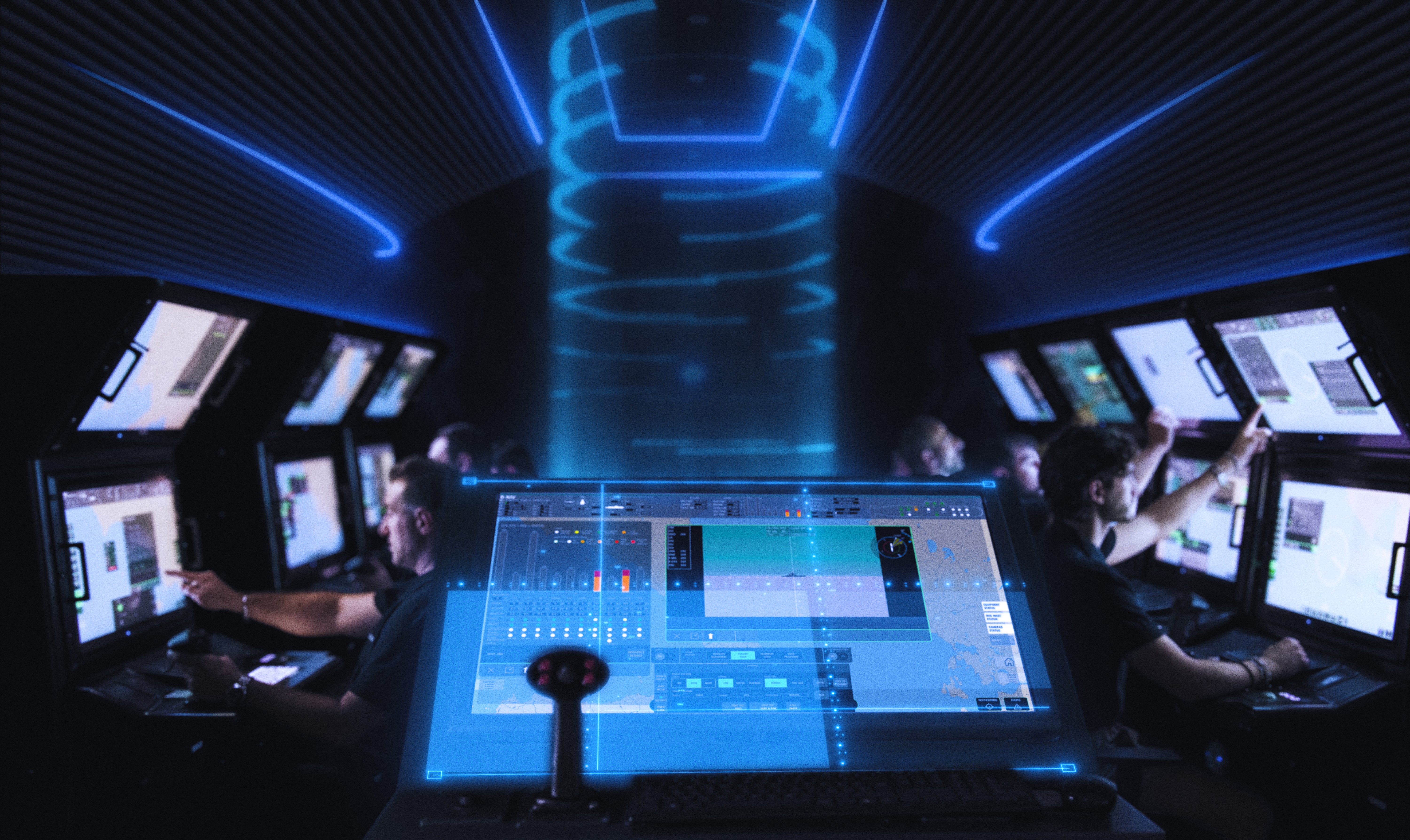
The system is operational “brain” of the ship: in real time it collects, processes and coordinates information from on-board sensors, communication systems and other connected platforms, supporting operations management.
ATHENA MK2 integrates the main operational functions of the platform, including:
By merging data from radar, electro-optical sensors and communication systems, ATHENA MK2 builds a unified view of the operational scenario and supports coordination between the ship, the fleet and other assets present in the area of operations.
Based on an open, distributed and modular architecture, the system is designed to ensure interoperability – operating and sharing information with different platforms and systems – as well as scalability and operational continuity even in the most complex scenarios.
This approach allows the system configuration to be updated over time and new technologies and functions to be integrated in response to changing operational requirements.
The ability to integrate sensors and effectors and to simultaneously coordinate multiple operational activities allows the multi-role ship to operate as a connected node within the fleet, contributing to threat management and the real-time sharing of tactical information.

Sensors and radar: information superiority and fleet protection
In the modern naval context, operational superiority depends on the ability to quickly identify threats, to interpret what is happening in the area of operations, and to share reliable information in real time. Radar and sensors therefore play a central role in building the situational awareness of the ship and the fleet.
To meet these needs, Leonardo is developing systems designed to operate in an integrated way in the air, naval and underwater domains. In particular, multifunction radars, passive infrared sensors and multi-spectral electro-optical systems contribute to the surveillance of areas of operations, the monitoring of threats and the coordination of defence activities.


Naval surveillance and defence
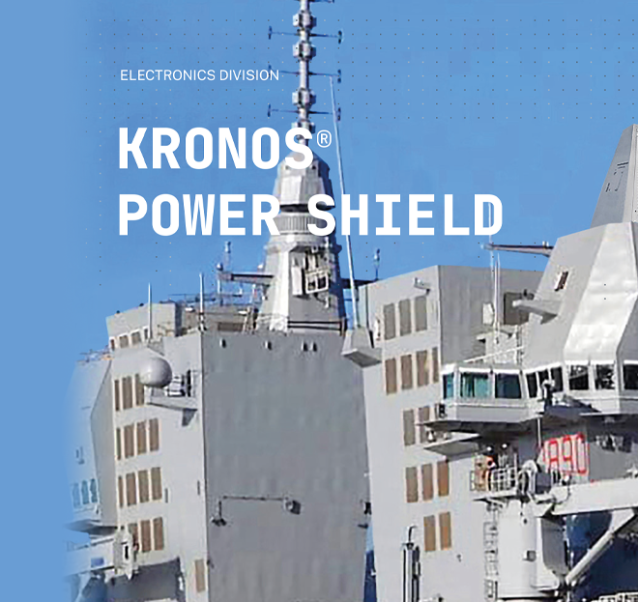
The KRONOS family of multifunction radars is designed for surveillance, operational space monitoring and naval platform protection.
Multifunction radars allow multiple activities to be performed simultaneously, such as:
In scenarios involving drones, missiles, multiple threats and electronic warfare, these systems enable the simultaneous monitoring of different targets and help to build the tactical picture shared between the ship and the fleet.
The Kronos family has been developed in accordance with the most modern operational requirements and includes - among other features - Dual Band Radar (Kronos Dual Band in X and C band) and Ballistic Defence Radar (Kronos Power Shield in L band).
Kronos Dual Band
Kronos Gran Naval HP
Kronos Naval
Kronos Power Shield

Passive surveillance and continuous monitoring
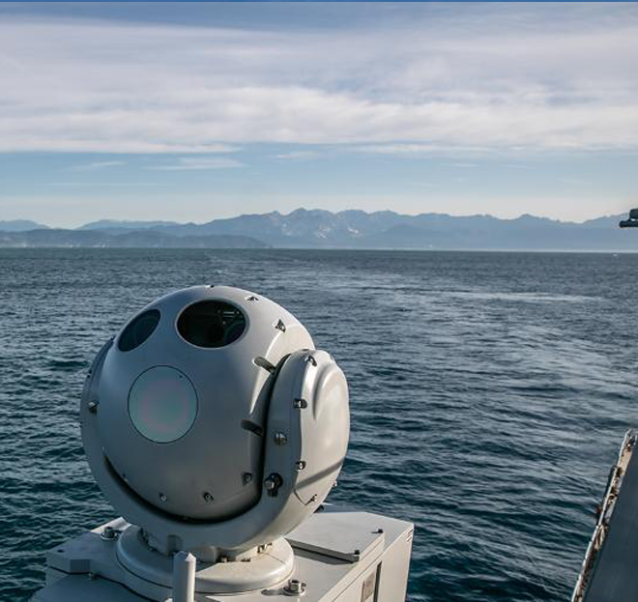
IRST (InfraRed Search and Tracking) systems expand a ship's observation capability through infrared sensors that operate without emitting radar signals.
This “passive” mode enables the operator to detect and track targets while reducing the possibility of being detected, thereby increasing the platform’s surveillance and protection capabilities.
The DSS-IRST system is designed to ensure continuous 360° coverage and to support the detection of air and naval threats even in complex operational scenarios.
Target identification and management of asymmetric threats
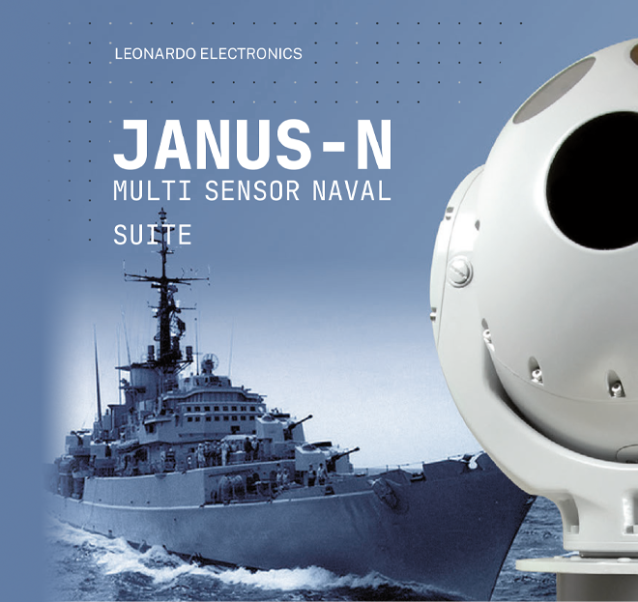
JANUS is a family of electro-optical systems developed for surveillance activities, target identification and support for ship defence operations.
Through multi-spectral sensors – i.e. capable of operating in different bands of the visible and infrared spectrum – these systems support the monitoring of the operational area, the automatic tracking of targets and the management of asymmetric threats, including drones and unmanned surface vehicles.
Ship protection and response to short-range threats
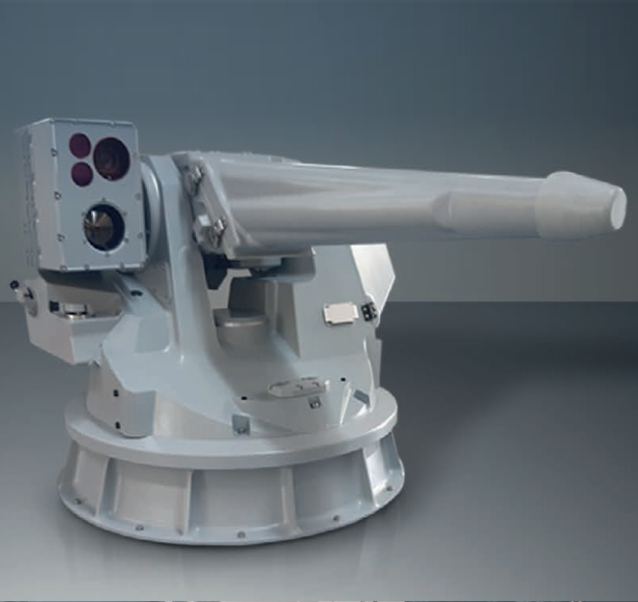
Lionfish is a family of remotely operated naval turrets developed for close-in ship defence. It consists of small- and medium-calibre turrets, ranging from 12.7 mm to 40 mm.
The LIONFISH 30 mm X-Gun variant represents a concrete response to the growing threat of unmanned vehicles: it is able to effectively detect, track and neutralise small, fast and low-observable targets, providing ships with a highly responsive close-in counter-UAS self-defence capability.
Response to long-range threats
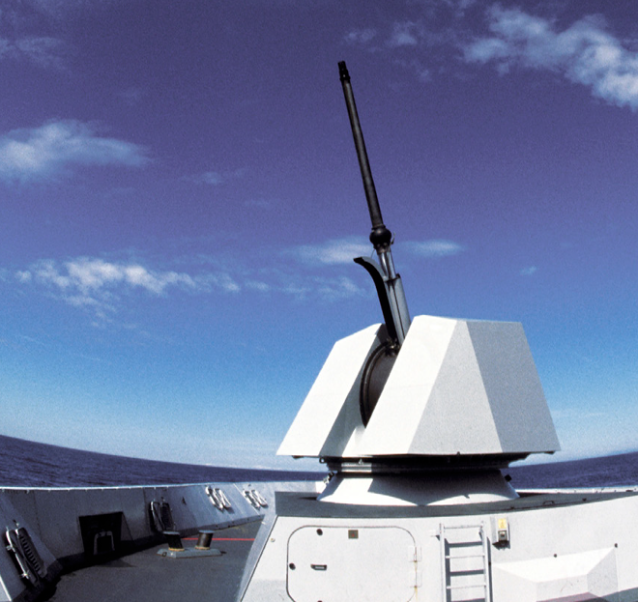
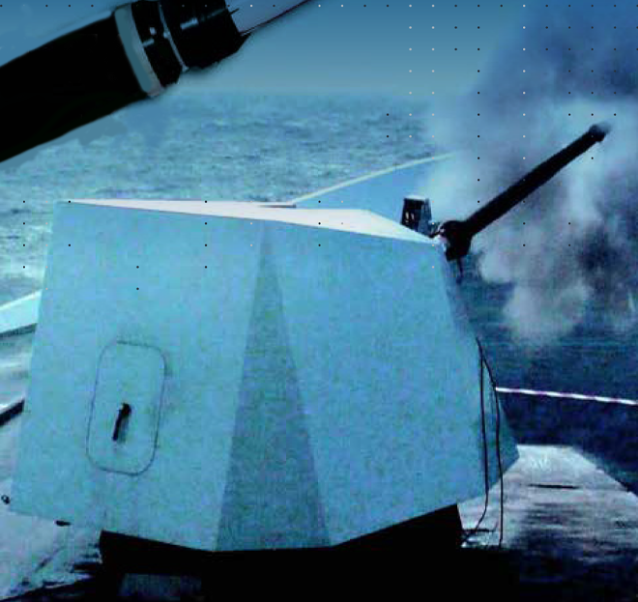
The two towers, 76 and 127 mm, have been used for years by navies around the world for defence against targets at sea and on land.
They are constantly updated and available in numerous versions that allow installation on ships of various classes.
Threat neutralisation
Vulcano is a family of guided munitions designed to increase the precision and engagement capability of naval systems.
It includes precision-guided variants (Guided Long Range - GLR) and extended range variants without active terminal guidance (Ballistic Extended Range - BER), designed to increase the precision and engagement range of naval systems in complex operational scenarios.
The integration of radar, electro-optical sensors, Combat Management Systems and effectors makes it possible to build an updated and shared view of the operational scenario, improving decision-making speed, coordination and fleet protection. Weapon systems with different calibres also assist in countering all types of threats including drones, fast targets, and air or surface threats.
From the platform to the integrated system
The maritime domain is once again becoming a strategic space for security, deterrence, and the protection of critical infrastructure. The multi-role ship is thus evolving from a specialised platform to an operational hub capable of concentrating different functions within a single ecosystem.
The evolution of naval operations now depends on the ability to integrate surveillance, information management, and operational coordination in real time. It is on this convergence between platform, sensors and digital systems that the new dimension of multi-domain operations is being built.
Through integrated systems for the operational management, surveillance and protection of naval platforms, Leonardo is helping to enable this evolution, supporting military navies in the management of increasingly complex and interconnected scenarios.
Anticipating the needs of tomorrow
Modern operational scenarios now require systems and doctrines based around flexibility, and will do so even more in the future. In the increasingly complex global geopolitical context, symmetric and asymmetric threats can coexist - whether localised in a specific area or spread over large regions.
Operational readiness, as well as the ability to project assets, will require increasing use of adaptive systems that can ensure the effectiveness of operations in greatly reduced time frames and in the face of threats that follow unpredictable evolutionary trajectories. It is in this perspective that Leonardo designs its systems, in partnership with its customers with whom it shares development and continuous updating processes, ensuring solutions that are always in line with current and future operational requirements.

 media hub



