Financial highlights
Last trade 48.46€
Variation +0.28%
23/10/2026 - 05:35 PM
data source: Investis Digital
Financial highlights
Last trade 48.46€
Variation +0.28%
23/10/2026 - 05:35 PM
data source: Investis Digital
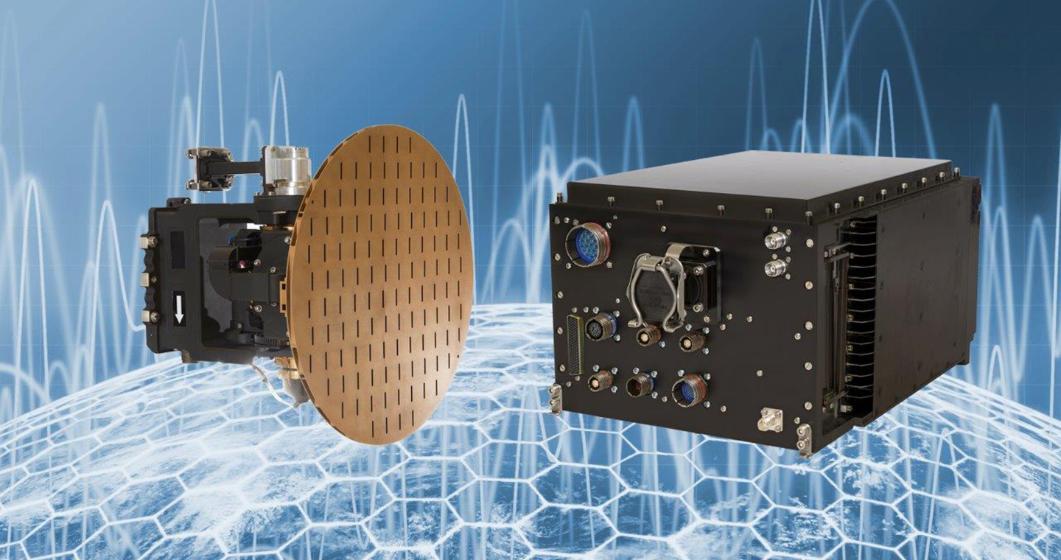
The average life of an aircraft, be it an aeroplane or a helicopter, is based on operating cycles covering an average of approximately 35 years. Maintenance programmes required over this period include in-depth structural inspections and monitoring, as well as platform updates to keep pace with technology evolutions and changing operational scenarios. These “mid-life” upgrades are commonly referred to as MLUs. Leonardo develops and offers various upgrade solutions that aim to improve the operational capabilities of platforms, in turn extending their operational life.
On military platforms, MLUs normally pursue three main goals. The most common upgrade involves “refreshing” the avionics and mission systems present on board (radar, sensors, self-protection suites, communication and navigation systems, integration of new payloads, etc.) with upgrades allowing the aircraft to keep up with rapid technological changes and maintain its operational competitiveness. In particular, Leonardo’s MLUs aim to improve the airworthiness of its platforms by updating communication systems (for example, through installation of tactical datalinks, such as LinkLeo), navigation systems and situational awareness. A common example is the replacement of analogue cockpit instrumentation with digital multifunction displays providing better presentation of data to the crew; another important example is the upgrading of identification devices through the installation of Mode-S transponders compatible with the ADS-B transmission protocol or with IFF antennas.
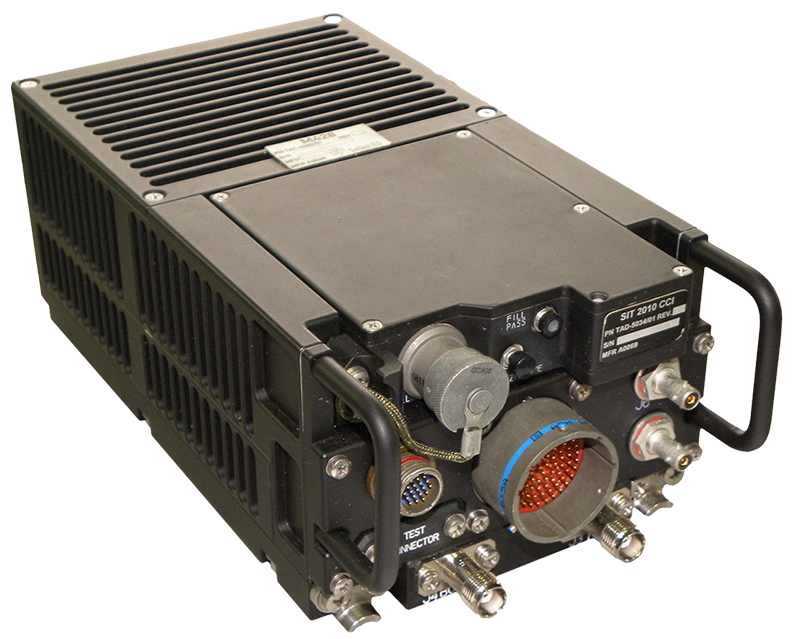
Another common goal is to enhance on-board sensors specific to the mission in hand, be it monitoring, research and rescue, or reconnaissance.
Furthermore, with the emergence of new threats, it is increasingly important to upgrade self-protection suites and to endow aircraft with the ability to fly at very low altitudes in order to exploit the coverage offered by the ground. In this regard, Leonardo offers fundamental obstacle avoidance systems (LOAM), for the detection first and foremost of high-voltage and telephone cables, which are barely visible to the naked eye.
All recent MLUs also set out to digitise platforms so as to ensure interoperability with other cooperating and multi-domain (air, sea, land) assets.

An area of primary interest is maintenance management, with Health and Usage Monitoring Systems (HUMS) offering greater platform maintenance effectiveness, thus generating significant savings.
When experience on the field reveals the need for new operational capabilities or platform developments, being able to develop an MLU in a timely manner makes all the difference.
Leonardo's MLUs are always customer oriented, being modelled on the specific operational, mission and budget requirements of customers. Leonardo meets market demand by supplying single pieces of equipment (radio, IFF systems, etc.), or by installing subsystems (self-protection and electronic warfare, or EW), through to providing comprehensive, complex systems. Its outstanding expertise in the avionics sector allows the company to meet even the most ambitious requirements by drawing on internally developed products and solutions. The architecture of Leonardo’s solutions is open, modular, scalable and free of exportability limitations, meaning it can adapt to any aircraft, be it military or civil, fixed- or rotary-wing, or even uncrewed. Leonardo offers three different solutions based on the upgrades required by the customer for a given platform:
Regarding timeframes, on average Leonardo completes an aircraft MLU at around 24-36 months, but this time may vary based on the complexity of the integration, the detailed requirements, and any agreed technology transfers.
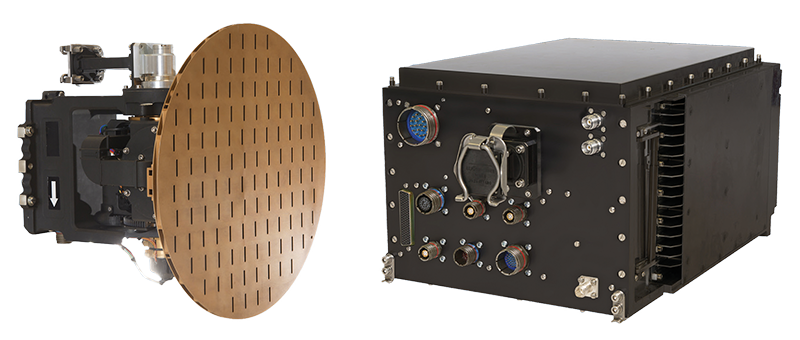
Leonardo’s experience is borne out by the MLUs for the Italian Air Force TORNADO fleet, as well as by the ACOL programme for the Italian Air Force AMX line, and by the upgrades to Canada’s EH101 CORMORANT helicopters. The most demanding upcoming MLU involves the EF2000 TYPHOON fighter, within the framework of an LTE (Long term Evolution strategy) which also envisages the replacement of the mechanically scanned CAPTOR radar with a new electronic scanned CAPTOR-E (AESA).

 media hub